Sauce guide
Kebab sauces: origins, common recipes and authenticity
Verified 5 August 2026
The option closest to the earliest döner is no added sauce. The first clearly identifiable sauced tradition still served today is Bursa’s 1867 İskender with tomato, butter and yoghurt. Garlic, herb and hot sauces belong mainly to the later European sandwich; cocktail sauce is a still more recent Swiss adaptation.
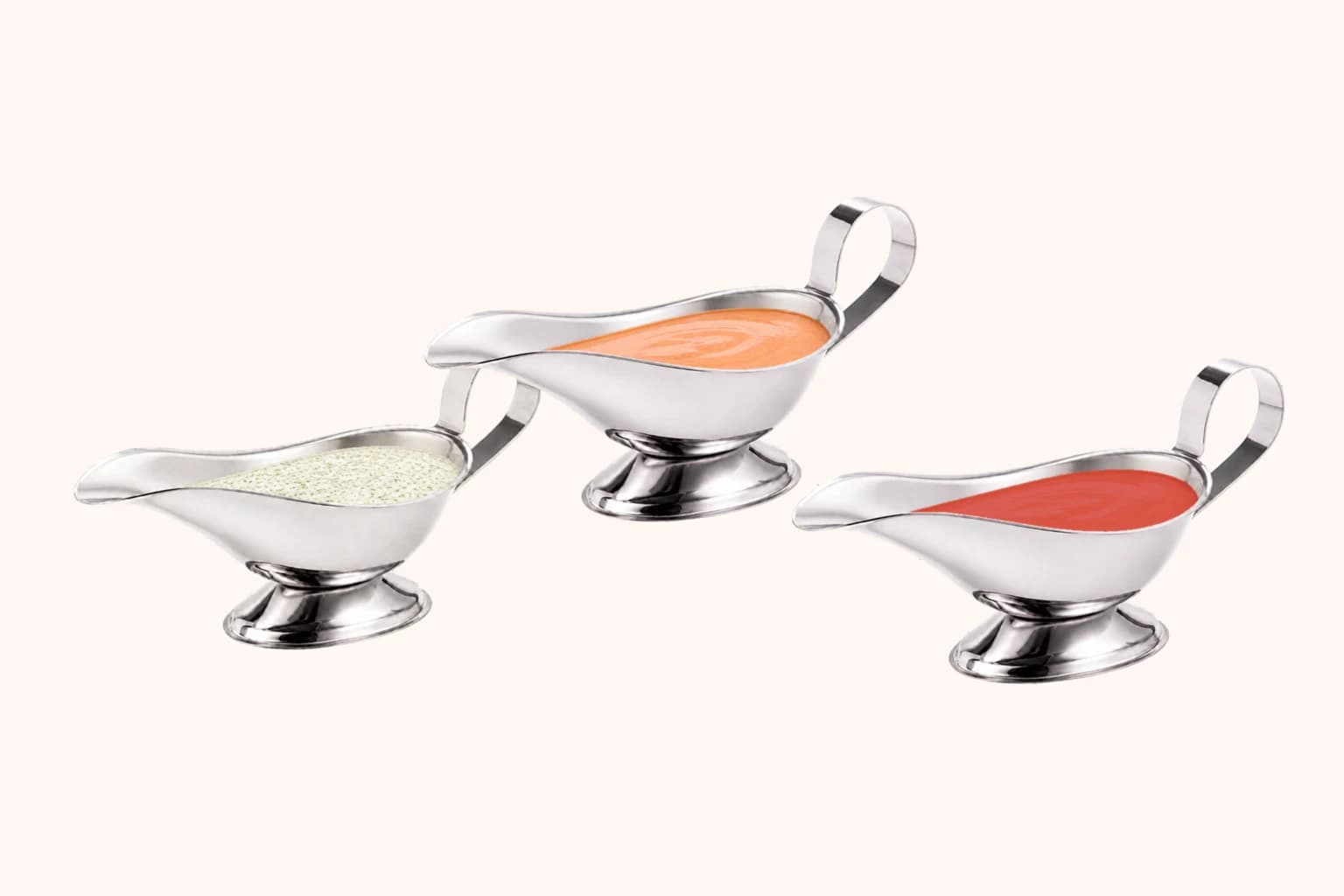
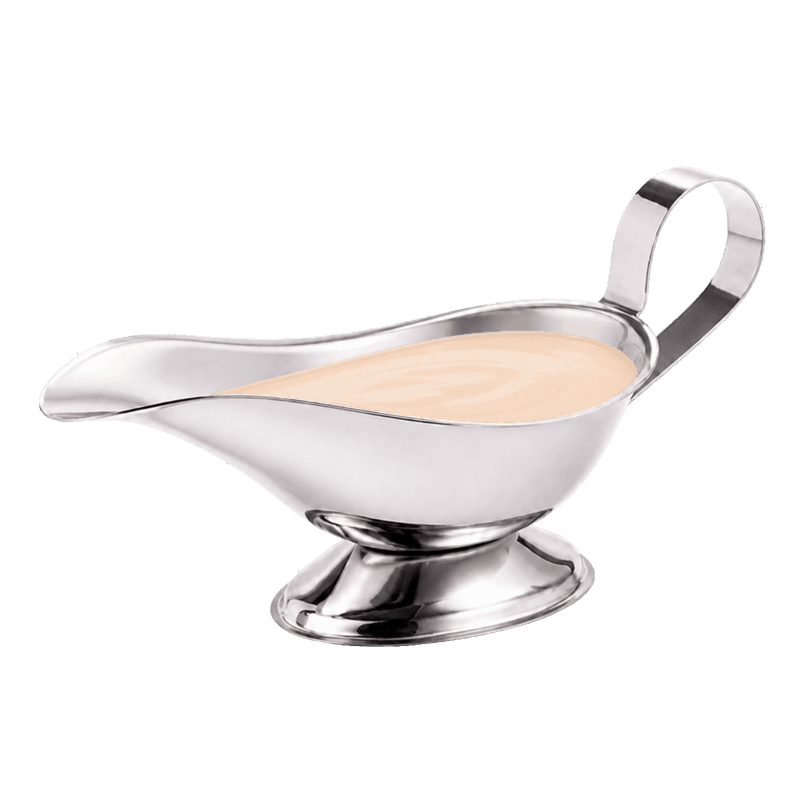
Yoghurt or white
Pale and creamy; colour cannot reveal whether it contains yoghurt, mayonnaise or both.
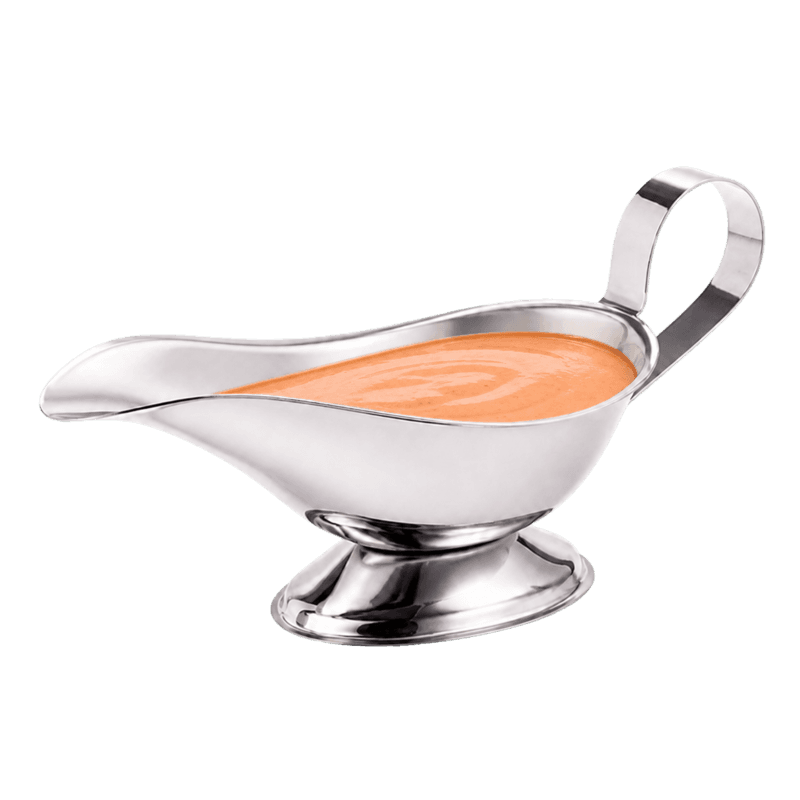
Cocktail
Pink to orange, mild and creamy: a staple of contemporary Swiss kebab culture.
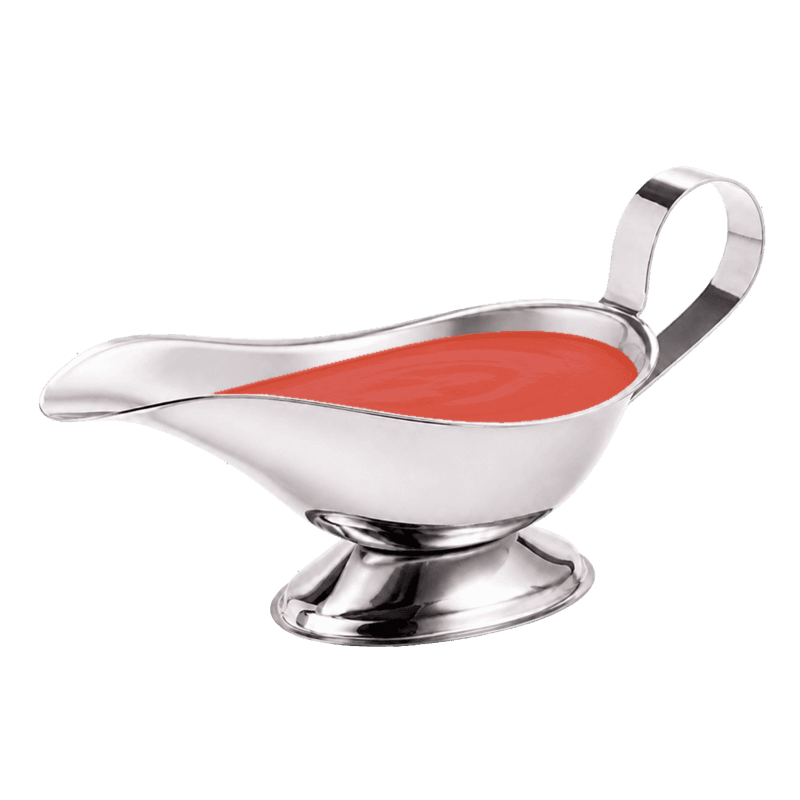
Hot
Red but highly variable: tomato, chilli, pepper or a creamy base depending on the recipe.
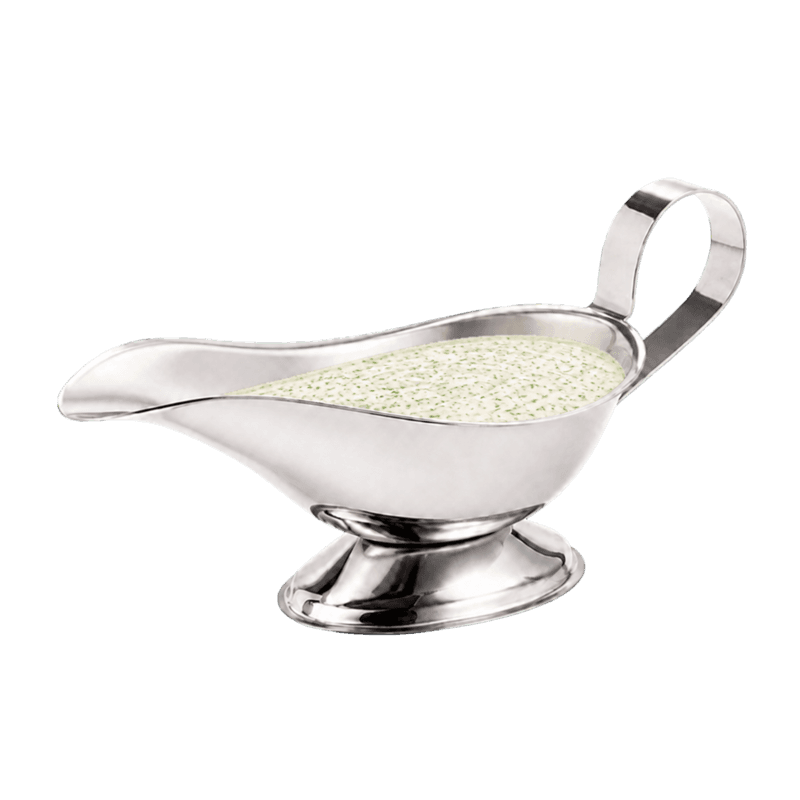
Garlic and herbs
A fresh family associated with European döner, often built on a white base.
Fresh herbs
Parsley, mint, coriander or a house blend bring freshness and acidity.

Signature sauce
Steak, barbecue, dark chimichurri or a house recipe: name and composition need verification.
From Ottoman spits to Bursa
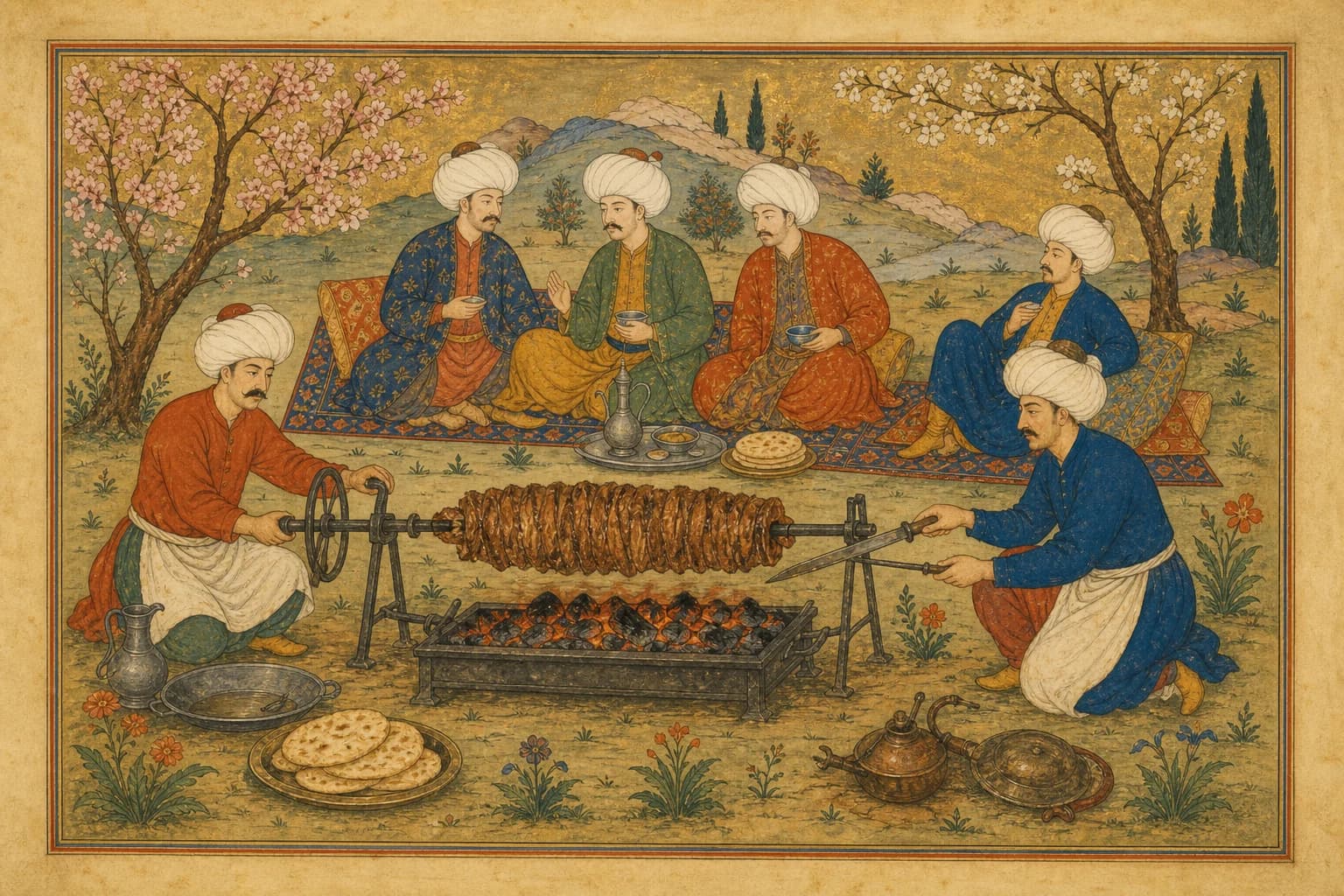
The earliest known depictions, dated 1616–1620, show horizontal spit roasting; they document a cooking method, not a service sauce. Vertical spits appeared in the nineteenth century, while the written term döner kebap is only documented from 1908.
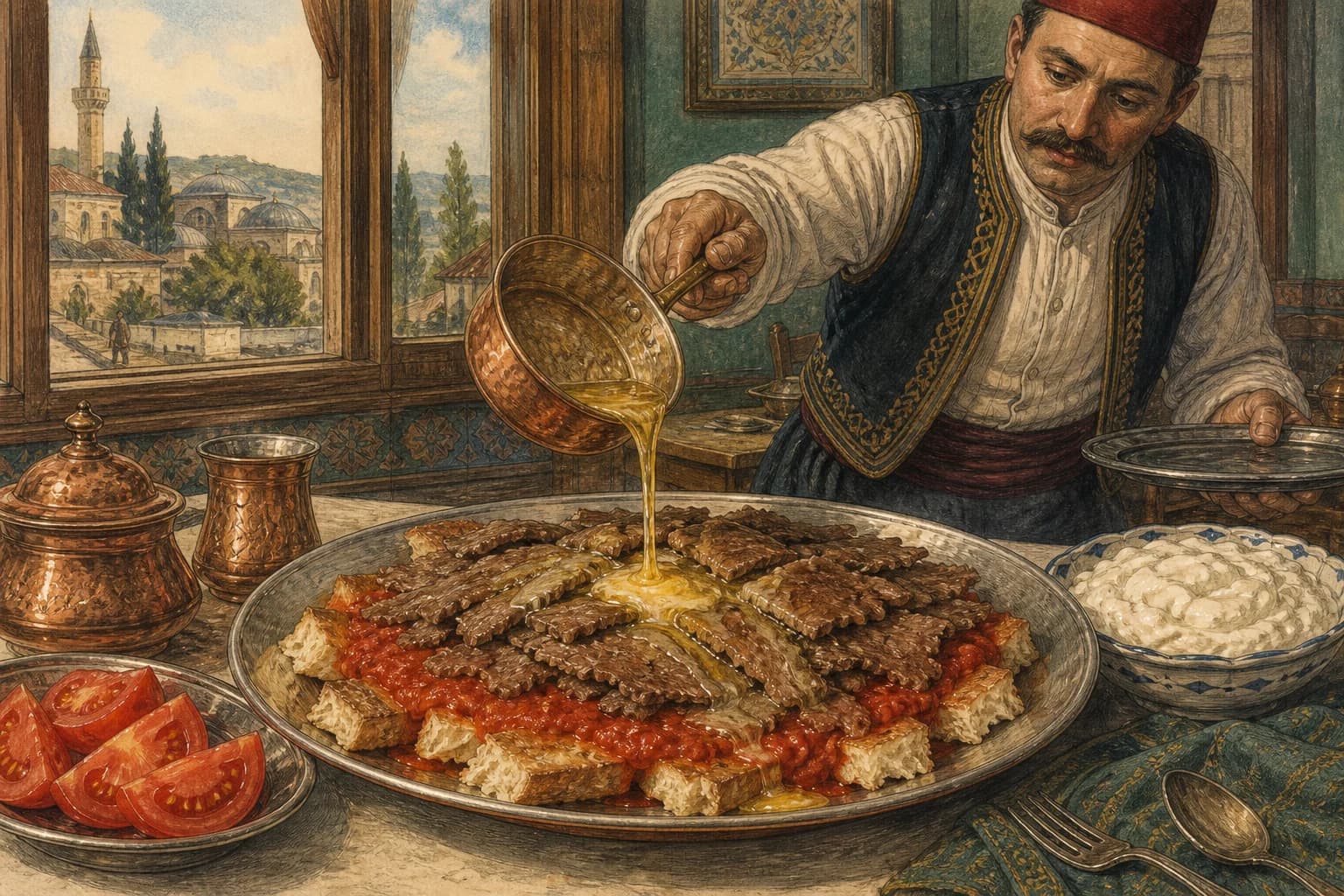
In 1867, Bursa’s İskender established the oldest precisely identifiable sauced form still alive today: sliced döner over pide with tomato sauce, melted butter and yoghurt on the side.
Berlin and the European sandwich
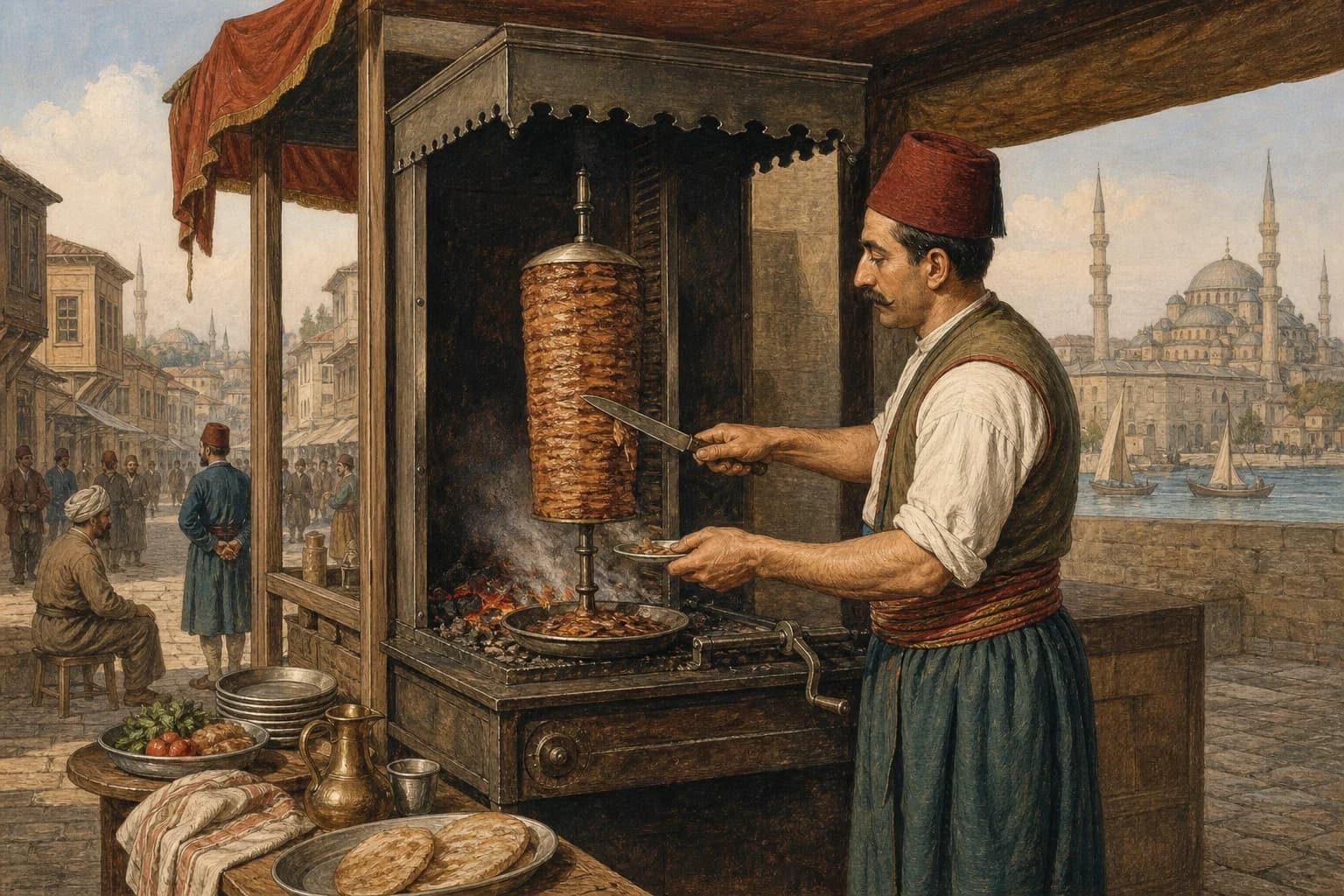
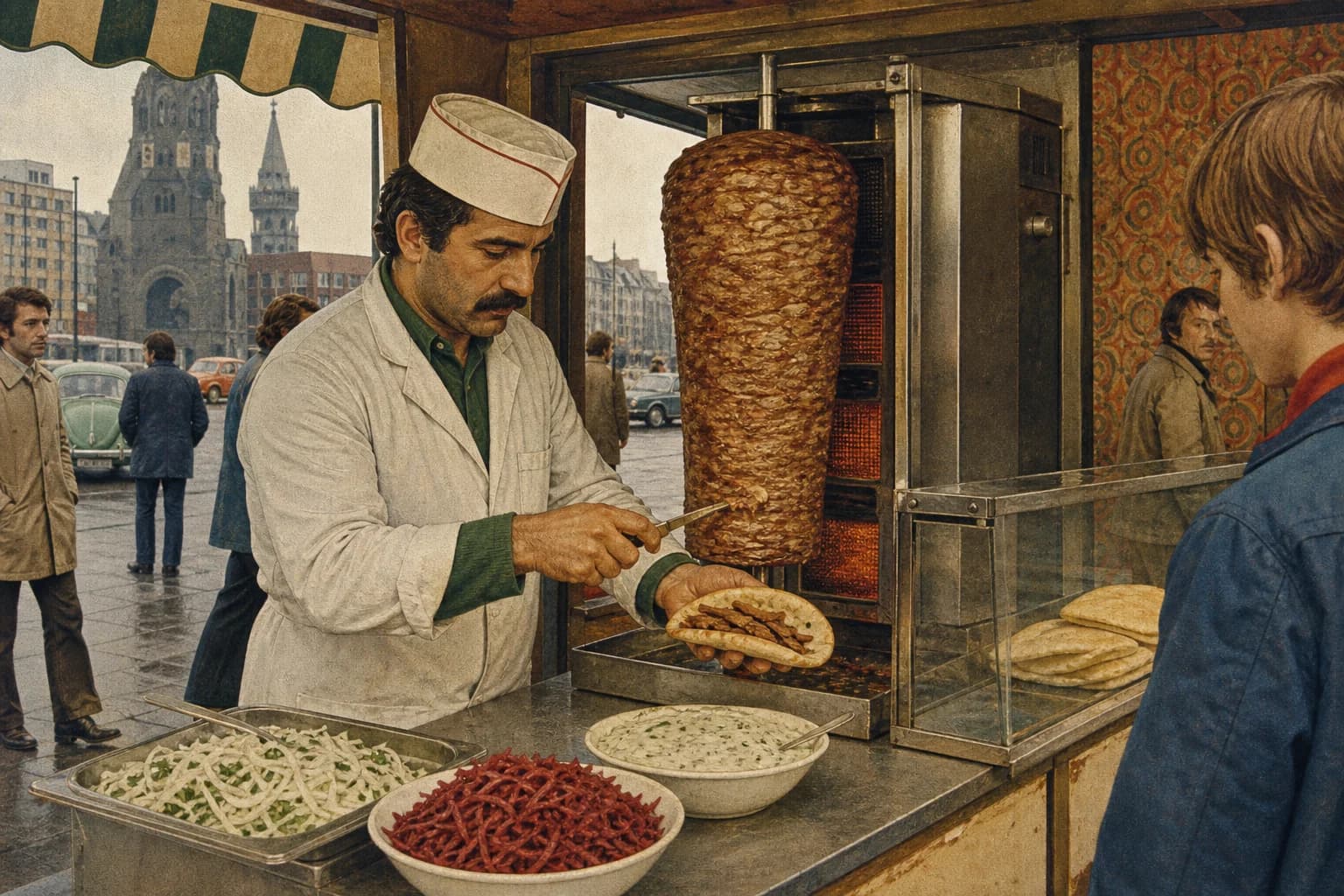
The portable sandwich developed through Turkish-German food culture. Berlin’s account of Kadir Nurman says meat came first, salad later, and then sauce. Garlic, herb and hot sauces are therefore authentic to this later Berlin tradition, not primordial Ottoman additions.
Which current option is closest?
The answer depends on the historical layer being reconstructed.
- Earliest döner: no added sauce; let meat, seasoning and rendered fat lead.
- Bursa from 1867: tomato and butter over bread, with yoghurt alongside.
- Contemporary Turkish-inspired dürüm: restrained pepper or tomato salça with thick yoghurt or labneh.
- Berlin tradition: garlic, herb and hot sauces.
- Swiss tradition: yoghurt/white, cocktail and hot; cocktail is the furthest from early forms but genuinely established in Switzerland.
The common Swiss trio
There is no national sauce census. Comparing current Swiss menus and Dönerstag’s verified restaurant data repeatedly reveals three families.
- Yoghurt, white or garlic: a fresh pale sauce whose actual base still needs checking.
- Cocktail: a mild pink or orange creamy sauce rooted in European snack culture.
- Hot or scharf: anything from chilli-and-tomato preparations to spicy creamy sauces.
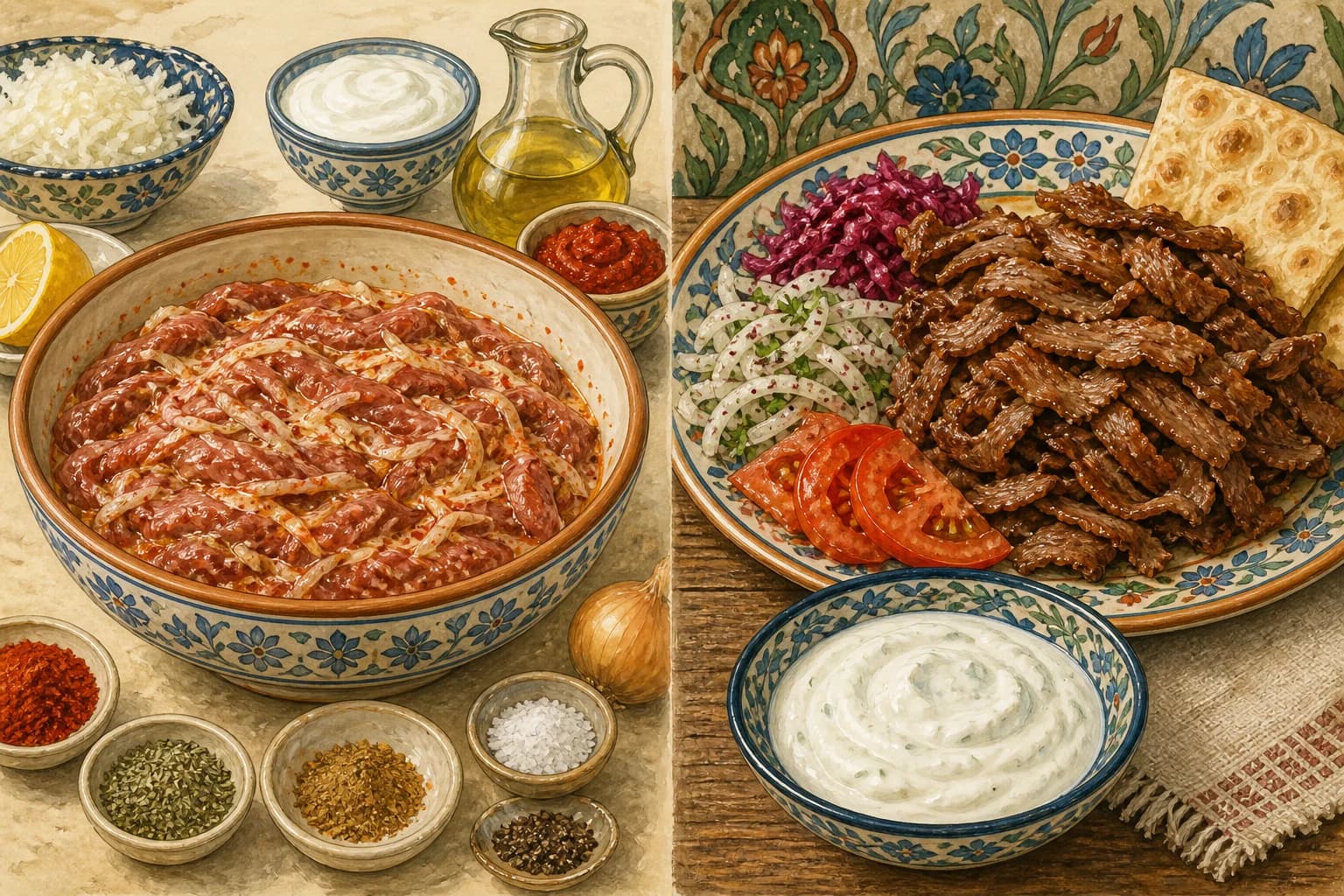
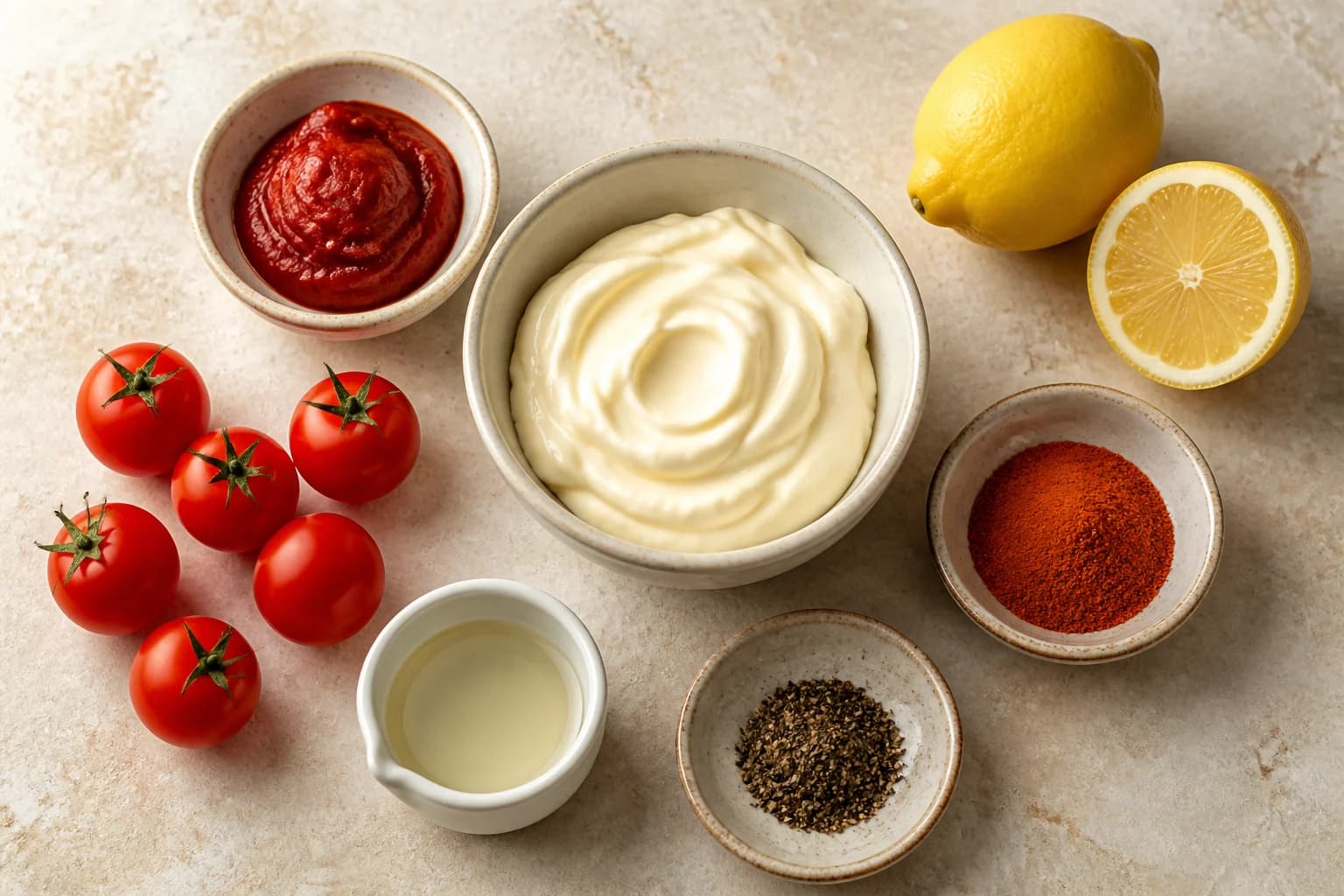
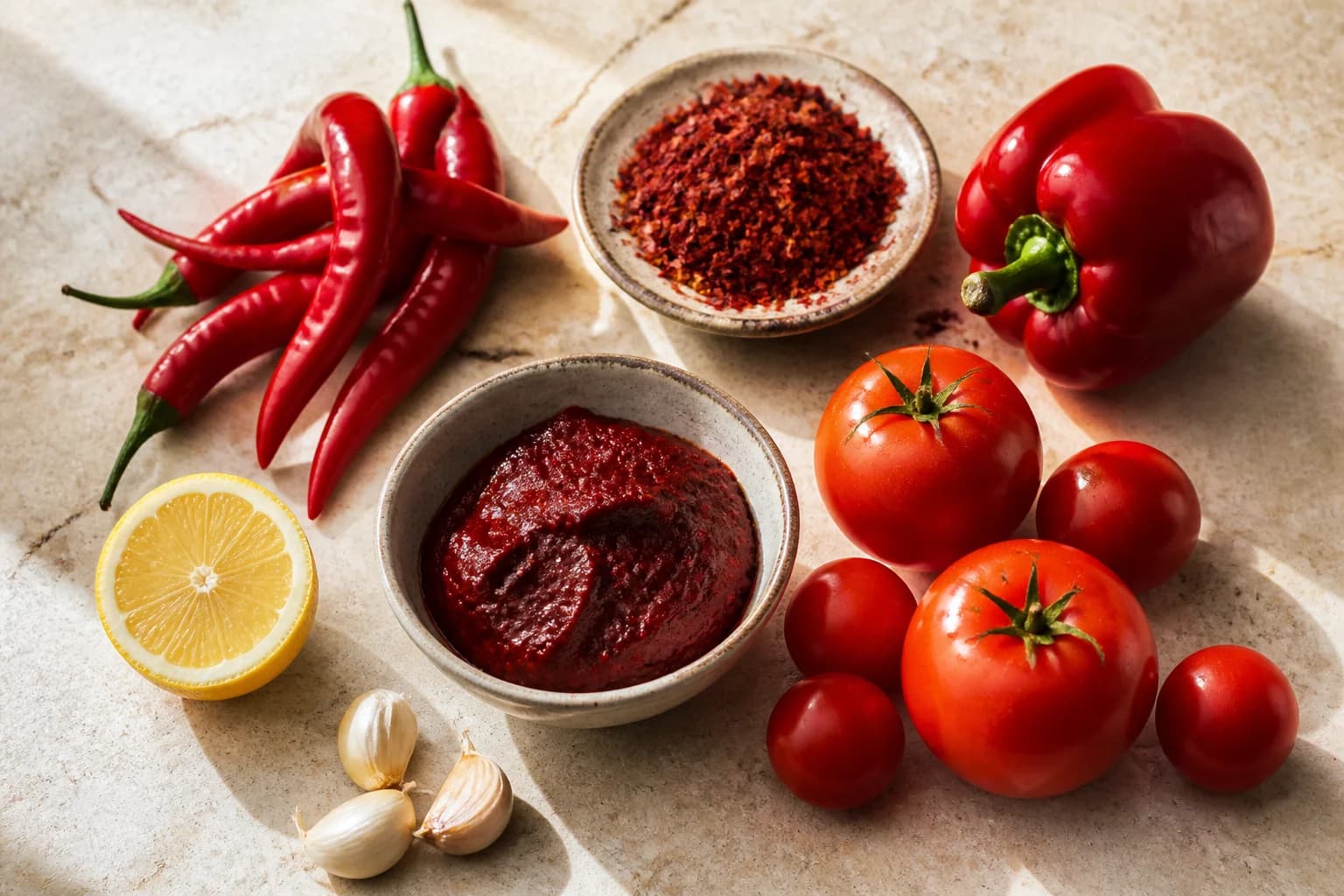
Names do not reveal recipes
White sauce is a colour description, not an ingredient list. It may use yoghurt, mayonnaise, both or a plant-based base. Likewise, hot sauce does not tell you its chilli level or whether it is tomato- or mayonnaise-based.
Calling every white sauce cacık or tzatziki creates false precision: those are distinct preparations with their own culinary traditions.
Contemporary and signature sauces
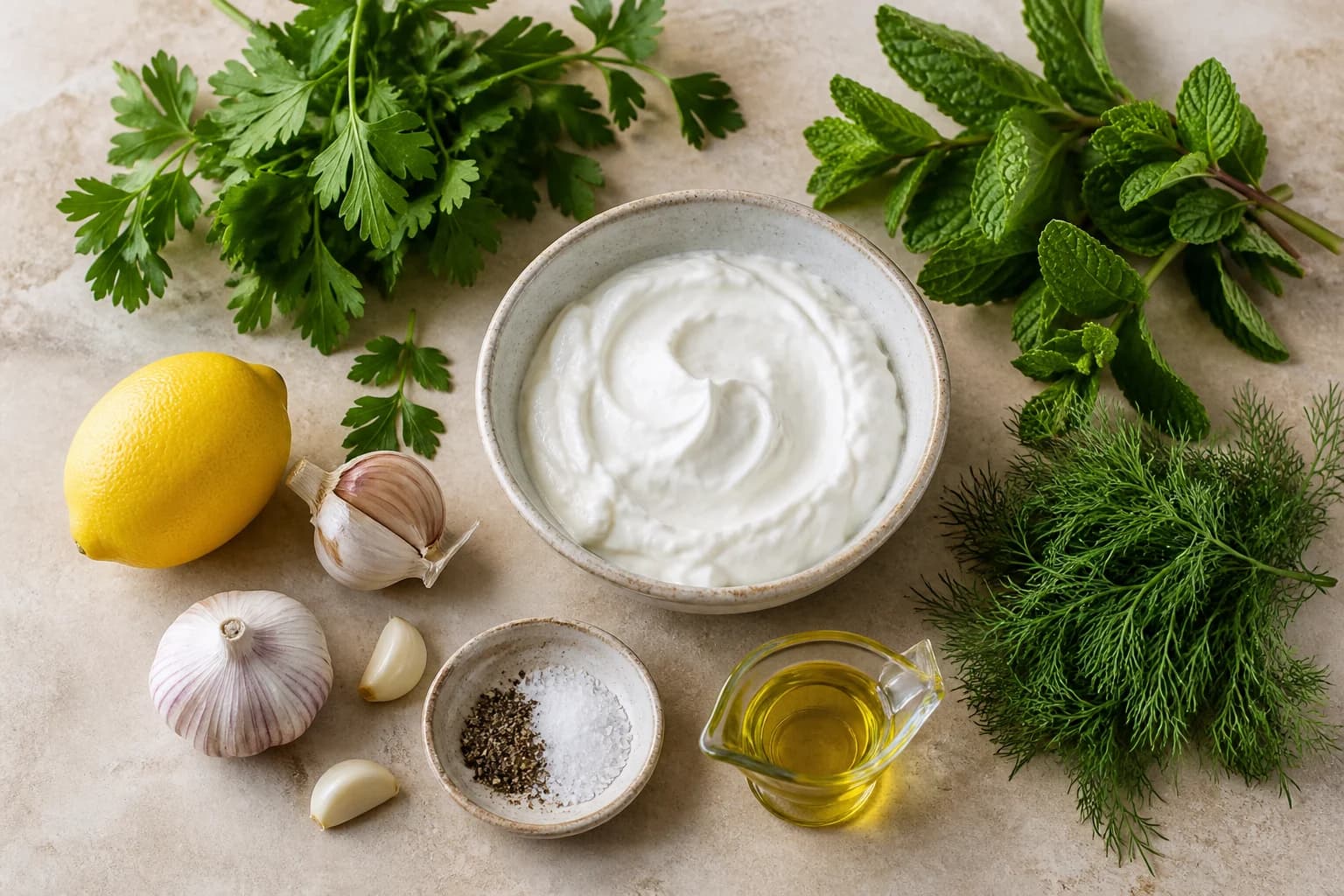
Garlic, fresh herbs, paprika, tahini, chimichurri, curry and vegan sauces now appear beside the classic trio. Creativity is not the opposite of authenticity when the restaurant is transparent and the sauce balances rather than hides the skewer.
Homemade or supplied?
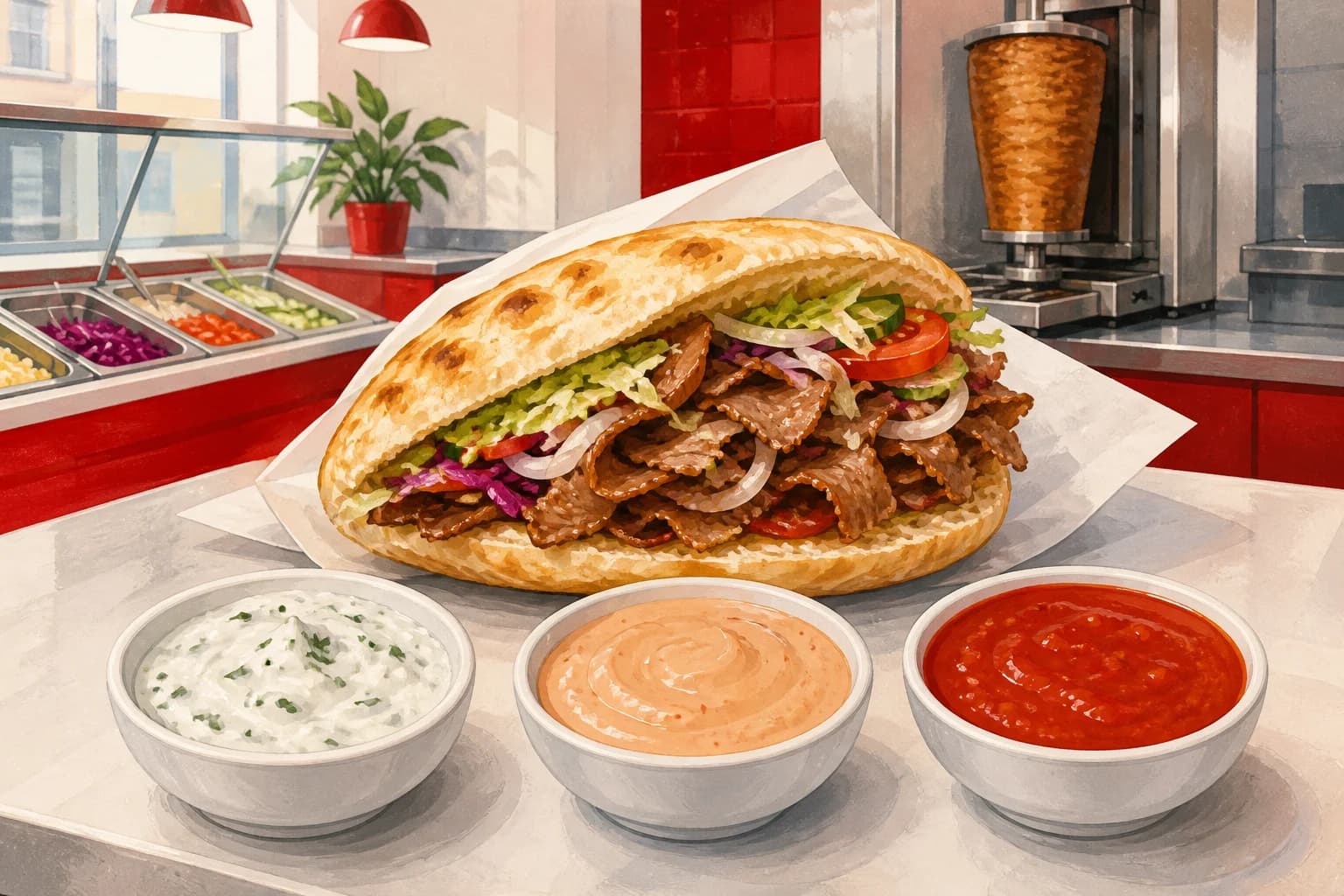
Colour, herbs and texture cannot prove where a sauce was made. Food-service suppliers openly sell yoghurt kebab sauce and cocktail sauce in buckets, while a restaurant may also build a house recipe from purchased mayonnaise or ketchup.
- Homemade: the final sauce is mixed and seasoned by the restaurant.
- External: delivered ready to serve by a supplier.
- Not verified: no precise source confirms production.
Balance, allergens and transparency
Rich meat often benefits from acidity, herbs or chilli; lean chicken accepts a creamier sauce; quality yaprak may need very little. Quantity matters as much as recipe: sauce should connect bread, filling and salad without soaking the sandwich.
Yoghurt means milk, mayonnaise generally means egg and tahini means sesame. Swiss allergen information must remain available for loose foods, so customers with allergies should ask for the composition rather than trust a colour or marketing name.
Sources and verification
Sources support the terms and rules cited here. Restaurant badges are verified separately by Dönerstag.
- Atatürk Kültür Merkezi — étude historique et technique du döner kebap turc
- National Geographic — histoire et formes régionales du döner turc
- Direction de la culture et du tourisme de Bursa — composition du Bursa Kebabı
- Berlin.de — naissance et évolution du döner sandwich berlinois
- Le Monde — Chez Mehmet, à Paris, la quête du dürüm parfait
- Bell Suisse — kebab accompagné de sauces au yogourt et cocktail
- La Kebaberie — carte actuelle des sauces
- Gemüse Kebab — sauces herbes, paprika et végane
- Gyma — sauce kebab professionnelle au yaourt conditionnée en seau
- Nestlé Professional Suisse — sauce cocktail en seau de 3 kg
- OSAV — Informations sur les denrées proposées en vrac