Bread guide
Kebab bread, pita, dürüm and yufka: what is the difference?
Verified 5 August 2026
A kebab sandwich uses opened bread, while a dürüm is rolled in thin flatbread. Pita, lavash and yufka name different bread families; none of those names proves it was made on site.
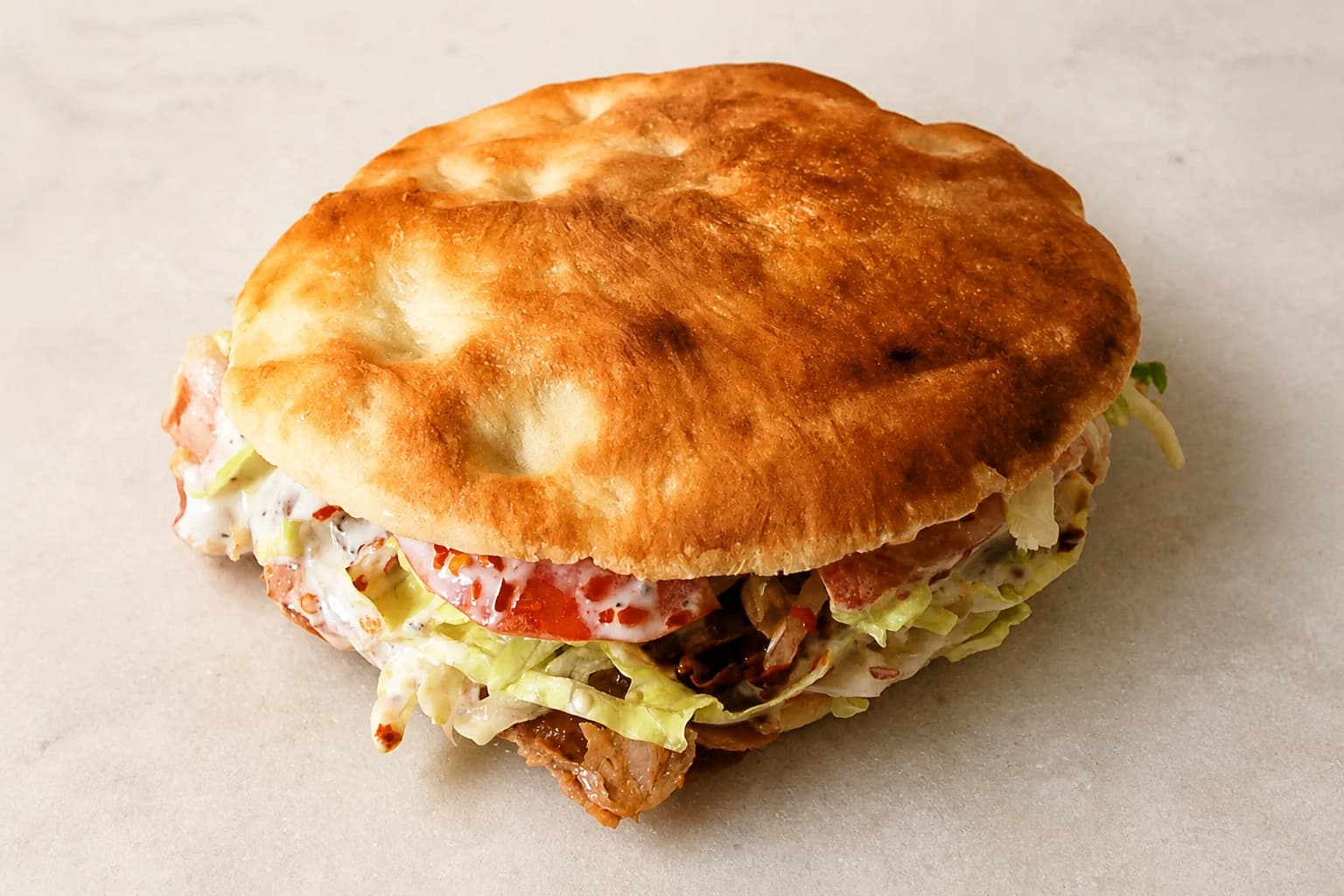
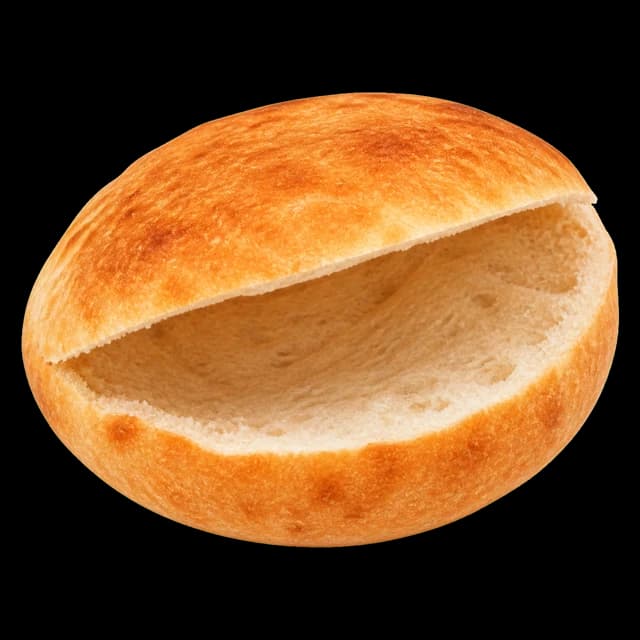
Kebab bread
Thick bread opened and filled like a sandwich.
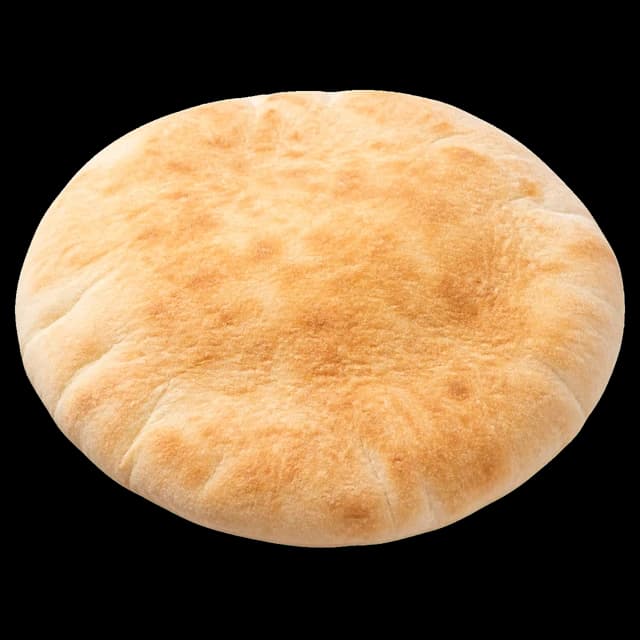
Pita
Flatbread that usually forms a pocket.
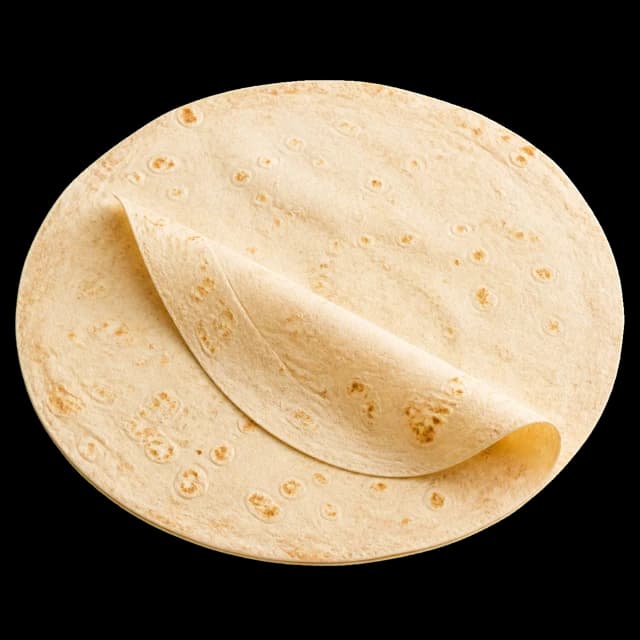
Dürüm, lavash or yufka
Thin flatbread rolled around the filling.
Sandwich bread and pita
Kebab sandwich bread is usually thicker and needs enough structure to hold meat and juices. Pita more often forms a pocket, although restaurant terminology is not always consistent.
Dürüm, lavash and yufka
Dürüm describes a rolled preparation. A thin wheat flatbread replaces the round sandwich bread and is often related to lavash or yufka traditions.
Homemade or artisan-made?
Dönerstag uses homemade only for bread prepared on site. Artisan-made means an identified baker or producer makes it for the restaurant.
- Homemade: mixed, shaped and baked on site.
- Artisan-made: supplied by a partner baker.
- Not verified: the available source is not precise enough.
Why breads are recorded separately
A restaurant may serve homemade dürüm flatbread and externally supplied sandwich bread. Each option therefore receives its own production information.
Sources and verification
Sources support the terms and rules cited here. Restaurant badges are verified separately by Dönerstag.